
TikTok Shop Without the Chaos: What a 3PL Should Handle Before You List
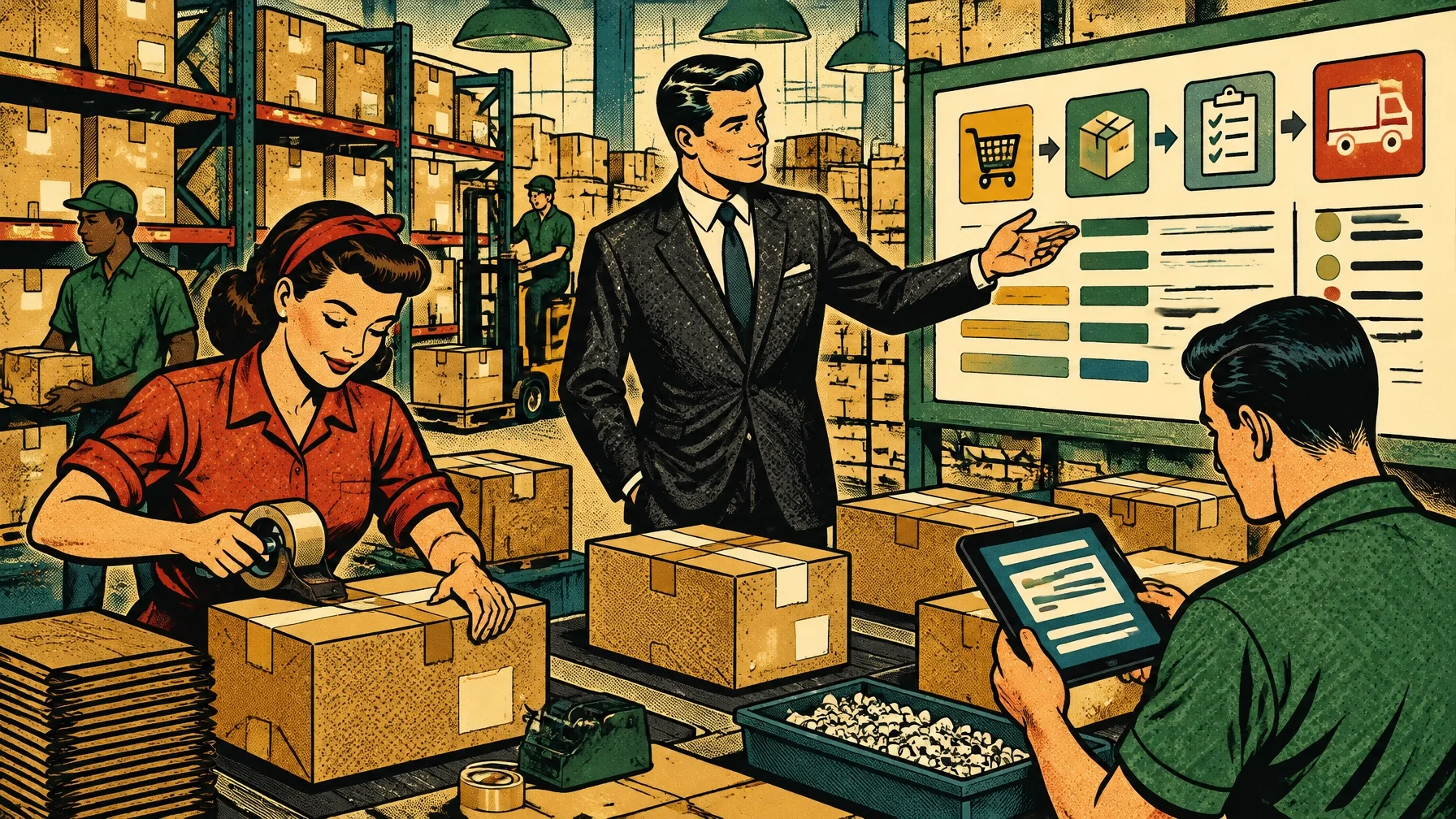
A smoother TikTok Shop launch starts behind the scenes.
A creator posts a video. A live shopping event takes off. Orders pour in faster than your team expected. Within a week, your TikTok Shop account is flagged for late dispatches you did not realize were piling up.
TikTok Shop does not punish you for selling. It penalizes missed fulfillment requirements, and slowness is a warehouse problem before it becomes an account problem.
If you are already selling through Shopify, Amazon, WooCommerce, Squarespace, or Etsy, adding TikTok Shop means preparing your operation for a different pace. Here is what your 3PL should be ready to handle before you list.
Why TikTok Shop Behaves Differently From Your Other Channels
Demand on TikTok Shop can arrive in bursts tied to videos, livestreams, and trends. Instead of a steady flow of daily orders, a single piece of content can create more work in an evening than your team usually handles in a week.
The clock matters, too. The dispatch window starts when an order enters awaiting-shipment status, not when someone notices it in a dashboard. If orders wait for a manual check, the deadline keeps moving closer.
And a missed order may not stay a private operations issue. TikTok Shop tracks account-level performance. A rough stretch during a viral spike can put pressure on the good performance you built during quieter weeks.
TikTok Shop customers may also be buying on impulse. If their order is late, they may be less inclined to wait patiently and more likely to leave a negative review or ask for an update. Fast, reliable eCommerce fulfillment supports both account health and the customer experience.
TikTok Shop Requirements Your 3PL Should Be Ready to Handle
TikTok Shop’s published seller policies and fulfillment documentation describe requirements that sellers need to build into their day-to-day operation. These requirements can change, so confirm the current rules directly with TikTok Shop before relying on them.
1. Make the two-business-day dispatch SLA routine
Regular seller-fulfilled orders must be marked in transit within 2 business days of entering awaiting-shipment status. Hitting that deadline consistently takes more than working quickly once orders pile up. Your warehouse needs a repeatable daily process.
Ask your 3PL about:
A daily sweep of new orders, so nothing sits unnoticed
A clearly defined order cutoff and a plan for orders received after it
Same-day processing of newly received inventory, so restocks can become sellable promptly
These routines make dispatch a standard part of the day, not an emergency response. Review TikTok Shop’s current fulfillment policy with your fulfillment partner.
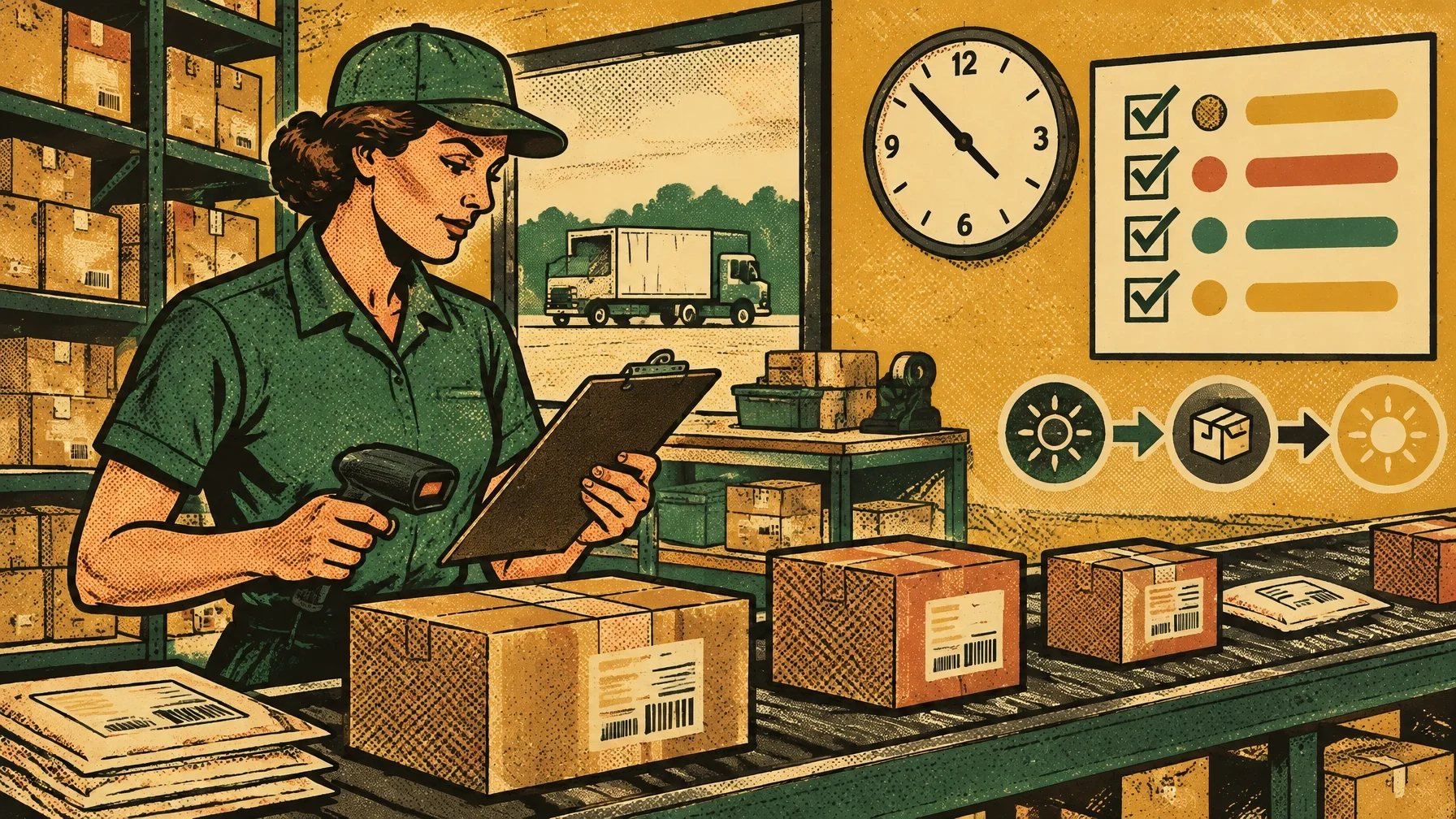
A daily sweep keeps new orders moving before the deadline gets close.
2. Understand the five-business-day auto-cancellation window
Orders that have not been updated to awaiting-collection with tracking within 5 business days are automatically cancelled by the platform. This can quietly damage your operation because the platform cancels orders that are still sitting unshipped, rather than waiting for you to resolve the backlog.
That means your team needs to spot stuck orders well before this window closes. A 3PL should be able to identify orders without the expected tracking update, investigate the cause, and communicate what needs attention.
3. Check whether your ship-from location can meet the six-business-day delivery SLA
The deliver-by SLA is 6 business days. Whether that is achievable depends in part on where an order ships from and where the customer lives. Distance, shipping zones, and the selected carrier all affect transit.
A Midwest fulfillment position, such as St. Paul, can offer a practical starting point for serving customers across different regions. But a location is not a delivery promise. Ask your partner to review your order destinations and carrier options to see whether your expected transit times fit the requirement. Rogue’s overview of the Twin Cities as an eCommerce fulfillment hub offers more context on why location matters.
4. Protect the account-level tracking and delivery metrics
TikTok Shop requires sellers to maintain a valid tracking rate of at least 95 percent and an on-time delivery rate of 80 percent or higher to stay in good standing. These are aggregate account-health metrics, not just a review of one delayed parcel.
A warehouse can protect or erode those rates through everyday decisions: attaching accurate tracking, getting orders out on time, and making sure order status is updated as expected. See TikTok Shop’s documentation on tracking requirements and on-time delivery rate.
5. Know what Fulfilled by TikTok changes
Fulfilled by TikTok (FBT) shifts the fulfillment process, but it does not remove the need to prepare inventory carefully. FBT sellers must follow TikTok Shop’s inbound packaging rules. For applicable products, that includes requirements for expiration dates and batch codes. Fragile or heavy products may also need to meet drop-testing requirements.
FBT orders are exempt from valid tracking rate, late dispatch rate, and on-time delivery rate performance metrics. That changes which performance measures apply, but it also makes compliance with the FBT inbound process central to getting stock accepted and ready. Check TikTok Shop’s current FBT packaging requirements before sending inventory.
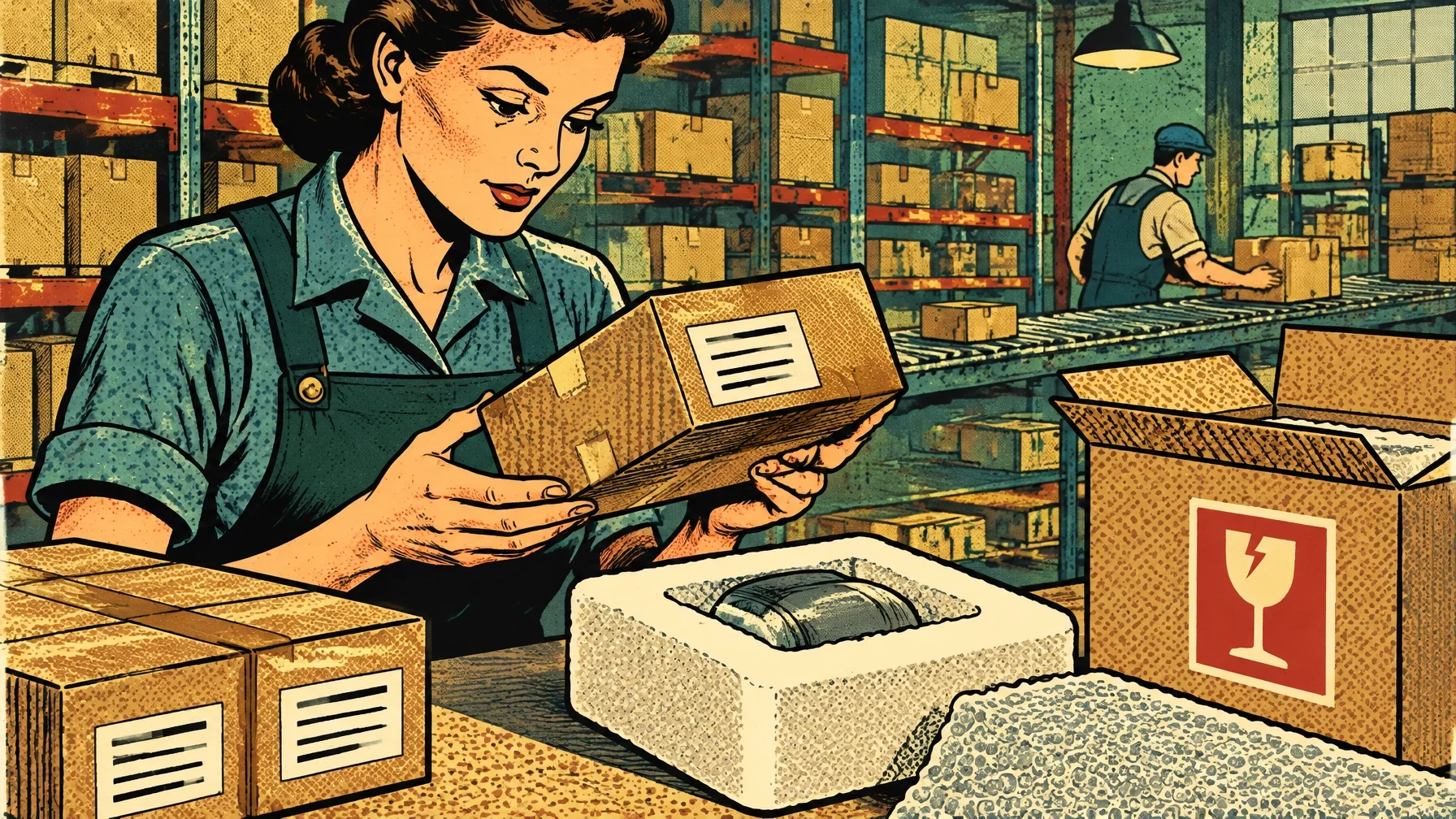
CHECK! Accurate product details and careful packaging help prepare inventory for inbound fulfillment.
6. Set order handling capacity based on reality
TikTok Shop does not publish a fixed cap for flash sale volume. Sellers manage dispatch deadlines during high-volume periods using their order handling capacity settings.
That setting is an operational lever, not a way to make an overwhelmed warehouse faster. Work out what your team can actually pick, pack, and dispatch in a day, then set capacity accordingly. Hoping a spike ends is not a plan.
Where TikTok Shop Can Disrupt Your Other Channels
The operational challenge is not always the TikTok order by itself. It is the interaction between channels.
If Shopify, Amazon, and TikTok Shop draw from one inventory pool, each sale reduces the stock available everywhere else. An order that would be fine under your Shopify workflow may create a TikTok Shop violation if it misses that channel’s tighter deadline.
A video or live event can also create a sudden surge while the rest of your operation keeps running. Your 3PL needs to know what volume to expect and how to prioritize orders without losing sight of existing commitments.
Product requirements add another layer. Batch codes and expiration dating may need to be handled in ways your other channels do not require. And returns arriving through TikTok Shop’s process need a clear path: receive the product, inspect it, and decide whether it can be restocked. Without that workflow, sellable inventory can disappear into a pile of unprocessed returns.
What to Set Up Before You List on TikTok Shop
Treat launch readiness as a shared checklist for you and your fulfillment partner:
Confirm the warehouse can meet the 2-business-day dispatch SLA on a normal day, not only a good day.
Set a daily order sweep and agree on a cutoff time.
Confirm how newly received inventory is processed and when it becomes available for sale.
Choose an order handling capacity based on your actual daily operation.
Check SKU data, including batch codes and expiration dates where applicable.
Confirm that product packaging meets the platform’s rules for its category.
Agree on who watches account health metrics and how often.
Decide how inventory will be allocated between TikTok Shop and your other channels.
Brief your fulfillment partner on the launch date and the volume you anticipate.
Prepare answers to common order questions, including where customers can find updates and how returns are handled.
How Rogue Approaches TikTok Shop Fulfillment
A useful 3PL for eCommerce brands should do more than connect to a sales channel. It should help make your operation visible, responsive, and ready for changes in demand.
Rogue Fulfillment is a boutique 3PL based in St. Paul. Its approach includes same-day inventory processing and 24/7 access to real-time data, so your team can see the same inventory picture the warehouse sees. A dedicated account manager gives you a person to contact when a launch or viral spike needs attention.
Rogue also uses multi-carrier rate shopping, supports backorders, holds, and channel-specific rules based on your policies, and offers value-added services as part of its standard approach. Kitting, custom packaging design, gift wrapping, and campaign support can help you prepare a consistent experience for TikTok Shop orders.
Rogue states a 99.84 percent order accuracy rate and that 99 percent of orders ship within 24 hours. These are company-stated figures, not guarantees. Rogue can also manage a customer service mailbox alongside fulfillment, so order questions can be answered by people who can see the order. Customers receive a connected response instead of your support team having to chase the warehouse for an update.
You also get free access to The Rogue Cooperative, a network for business growth and peer support. To learn more about Rogue’s broader 3PL fulfillment services, explore how the operation can support your channels and brand requirements.
Prepare the Operation Before the First Viral Video
TikTok Shop can add a valuable sales channel, but a new listing also adds deadlines, inventory decisions, and customer expectations. Set up the warehouse routine before demand spikes: confirm SLA readiness, check SKU and packaging details, and agree on who monitors performance and capacity.
A conversation with Rogue Fulfillment can help you assess whether your current eCommerce fulfillment can absorb TikTok Shop volume. Start with your expected order patterns, dispatch readiness, SKU data, and what needs to change before the first viral video.