
Shipping Regulated Goods: What a 3PL Actually Needs From You

Good fulfillment starts with good product information.
A brand ships a product for months without a problem. Then a carrier flags a package, a marketplace asks for documents, or a warehouse pauses an inbound shipment because nobody identified a SKU as regulated.
That can be surprising, especially when the product is familiar and already selling well. But “regulated” does not mean “prohibited.” It means there may be requirements for documentation, labeling, packaging, storage, or transportation. Those requirements are invisible in your order data unless you and your fulfillment partner record them.
This post is general information, not legal, regulatory, transportation, or customs advice. Confirm requirements for your specific products with qualified advisors, your carriers, and relevant regulators. Requirements can change.
Why certain products have shipping requirements
Different products raise different questions. Supplements and ingestibles relate to food, health claims, and product safety standards. Cosmetics and skincare involve ingredients, labeling, and product safety rules. Some formulations may also affect storage or shipping needs.
Lithium batteries are classified as hazardous materials in transportation under Department of Transportation rules, regardless of what product they power. The exact shipping requirements depend on the product and shipment details.
This list is not exhaustive. Aerosols, certain cleaning products, alcohol-based products, and goods with pressurized or flammable components may have their own requirements. A product category alone does not tell you exactly what applies to a particular item.
Four things your 3PL needs from you
A warehouse can only act on the product details and instructions it receives. Share the right information before the first inbound shipment, not when an order is already at the packing station.
1. Honest product data from the source
Start with documents from the manufacturer. For many products, the Safety Data Sheet, or SDS, is a useful first document. It may include transportation information such as a UN identification number, hazard class, and packing group, where applicable. A UN number is an identification code used in shipping; a hazard class describes the type of risk; and a packing group indicates a degree of danger for certain materials.
The Federal Aviation Administration’s published shipping guidance recommends checking the SDS and consulting the manufacturer. It also notes that some products, including certain battery-powered goods, may not have an SDS. Your advisors and carrier can help determine what other information is needed.
Share:
The manufacturer’s SDS or equivalent documentation.
The UN number, hazard class, and packing group, where applicable.
Ingredient or composition information relevant to the product category.
Manufacturer guidance about handling, storage, or shipping.
A warehouse cannot classify a product from its marketing description. “Natural face mist” or “portable light” does not provide enough information to determine shipping requirements. Guessing can lead to a flagged shipment, a delay, or a package that cannot be accepted.

Share source documents before the first inbound shipment.
2. Accurate SKU-level data in the system
A SKU is the identifier for a specific product or product variation. If two items look similar but have different ingredients, packaging, or shipping needs, their records should make that difference clear.
For each SKU, document:
Its applicable regulatory or shipping category, as confirmed by qualified sources.
Any special storage or handling requirements.
The documents the warehouse should reference.
Any restrictions or carrier instructions that affect fulfillment.
A regulated SKU that looks like a standard SKU in the warehouse system is an avoidable source of errors. If the information is attached to the inventory record, the team can identify the right process when receiving, storing, picking, and packing the item. If it exists only in a founder’s inbox, the warehouse may not see it when it matters.
3. Current labeling and packaging information
Tell your 3PL what marks, labels, or warnings must appear on the product or package, and who is responsible for applying them. The answer may depend on the product, how it is packed, and the transportation mode.
Lithium batteries offer one example of why current information matters. PHMSA’s published guidance covers battery identification and marking, including the Watt-hour rating on the battery case for batteries over 100 Wh. The lithium battery mark also has a transition: an earlier version of the mark, which included a telephone number, may be used through December 31, 2026. After that date, only the version without the telephone number may be used. Check current PHMSA lithium battery guidance and the applicable DOT regulation for current requirements.
Carriers may impose stricter requirements than federal regulations or may decline certain shipments. Always confirm the current terms of the carrier that will handle the package. The carrier’s terms govern whether it will accept a particular shipment.
4. Clarity on who does what
Classification, packaging, labeling, carrier acceptance, and shipping documents each need an owner. The U.S. Department of Transportation’s published guidance explains that shippers are legally responsible for correctly classifying, packaging, marking, and labeling hazardous materials under DOT regulations.
Brands sometimes assume the warehouse handles every step. Warehouses may assume the brand has already confirmed the product details. Avoid that gap by agreeing in advance on who provides information, who checks it, and who performs each shipping task.
A good 3PL makes these handoffs explicit before the first shipment, not after a carrier refusal. Ask your fulfillment partner to explain what it can handle, what it needs from you, and what must be confirmed with your carrier or advisor.
What can go wrong when you skip these steps?
Missing product information can create practical problems across fulfillment, not just at the shipping counter.
A carrier refuses the package
The carrier may refuse a package at pickup or flag it in transit. That can delay the order while you confirm the product details and work out a permitted shipping method.
A marketplace requests documents
Some marketplaces require product documentation, such as ingredient-label images or SDS files. Requirements vary by marketplace and product. If requested documents are missing, a listing may be restricted or suspended while the information is reviewed.
Warehouse inventory cannot be processed properly
If a SKU arrives without clear identification or instructions, the warehouse may need to pause receiving or set it aside until the right information is available. Inventory that is not correctly identified can be harder to locate and fulfill reliably.
A return cannot be restocked
A returned regulated product may need review before it can go back into available inventory. If its condition or handling history cannot be verified, it may not be appropriate to restock.
Customer support cannot answer confidently
Customers may ask whether a product can ship to their location or why a delivery was delayed. Without access to accurate product and shipping information, support may need to escalate the question and wait for an answer.
Training and handling need clear ownership
DOT regulations require recurring training for employees involved in shipping hazardous materials. PHMSA’s published guidance explains that training relates to the employee’s responsibilities and the tasks they perform.
That makes training a shared operational responsibility, depending on who performs each function. A brand and its warehouse should agree on which tasks are handled by each party and confirm that the people doing those tasks have the appropriate training for them.
Rogue’s team is trained on its standard handling processes. If your products have specific regulatory or transportation needs, confirm coverage with your account manager before onboarding. Do not assume a warehouse’s general procedures cover every product or shipping method.
How Rogue Fulfillment works with regulated goods
A 3PL for eCommerce brands should make product information visible in daily operations. Rogue works with brands to define SKU-level flags, attach documentation to inventory records, and establish storage and handling processes for each SKU. Before the first shipment, the team can coordinate with your brand and carrier requirements so the workflow is understood.
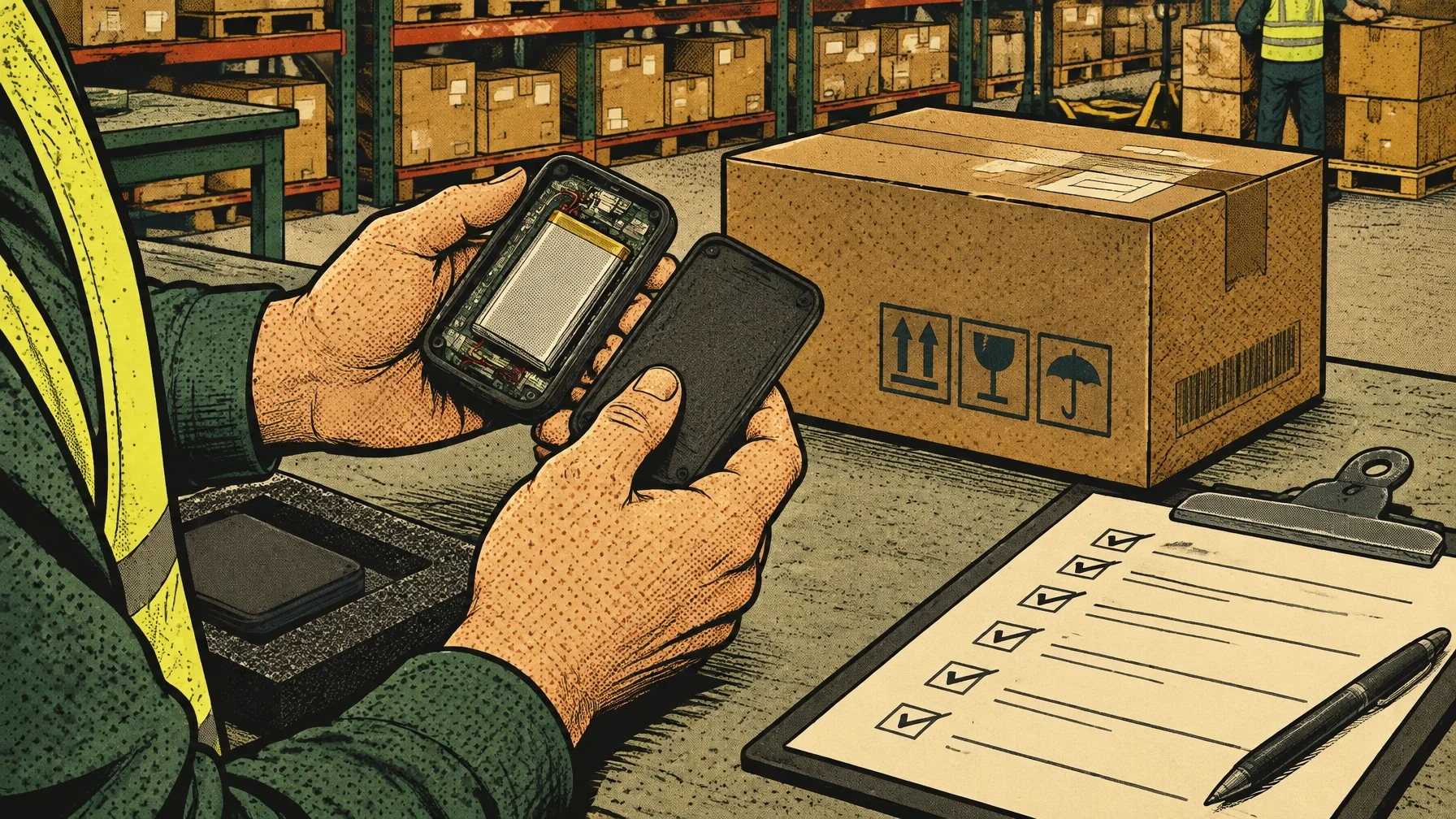
Make product and packaging details part of the SKU record.
You also get visibility into the operation through 24/7 access to real-time data and a dedicated account manager, rather than relying on a ticket queue. Rogue offers same-day inventory processing and multi-carrier rate shopping, which compares available carrier options for shipments.
Value-added services are part of the conversation, not just extras. Depending on your needs, they can include kitting, custom packaging design, gift wrapping, and campaign support. Rogue also follows sustainable practices and provides customers free access to The Rogue Cooperative network for business growth and peer support.
Rogue’s company-stated figures are a 99.84% order accuracy rate and 99% of orders shipped within 24 hours. These are company figures, not guarantees, and do not replace product-specific review or carrier requirements.
Rogue can also manage a brand’s customer service mailbox alongside fulfillment. When product or shipping questions come in, support can see the order and SKU record, helping the team respond with relevant information or route a question to the right person.

Keep the warehouse, account team, and product records in sync.
This post is general information, not legal, regulatory, transportation, or customs advice. Requirements depend on your specific products and can change. Confirm them with qualified advisors, your carriers, and relevant regulators.
Start with a SKU and documentation review
Regulated products can fit into a sound eCommerce fulfillment operation. The practical first step is knowing which products need special attention and making that information available before inventory arrives.
Start a conversation about which of your SKUs may have specific shipping requirements, what documentation you already have, and what needs to be clarified before your next product launch. Talk with Rogue Fulfillment about setting up an operation that gives your products and your customers the care they need.