
Why Your Returns Belong With a 3PL, Not Inside Amazon's Process
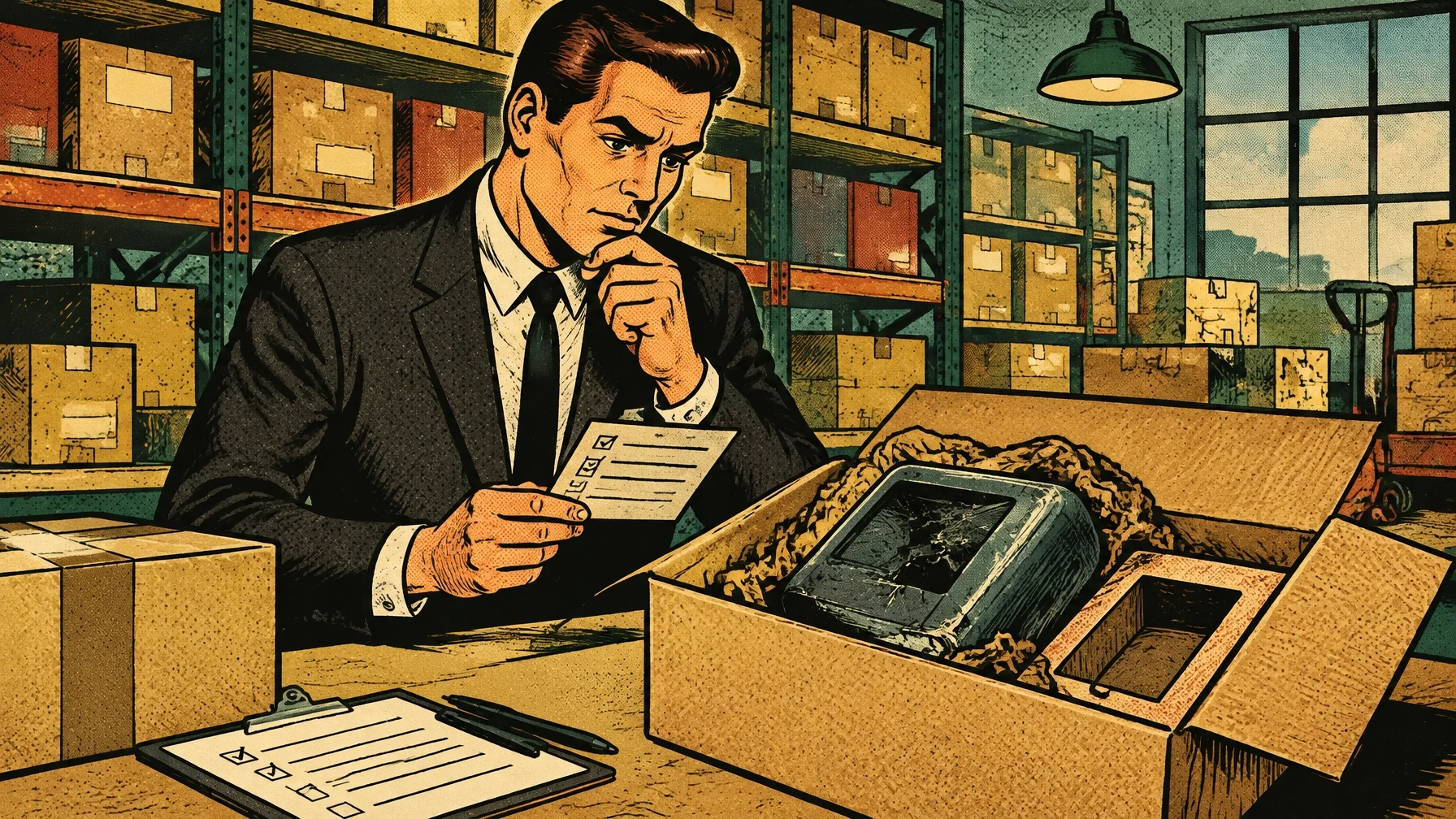
The return was processed. The real cost may show up in the next order.
A customer returns an item through Amazon. It reaches an Amazon facility, appears unopened and undamaged at a glance, and goes back into sellable inventory. The next customer buys it as new, receives a damaged or incomplete product, and leaves a one-star review about quality.
Your brand may never see the return. But the inventory and the review still affect your business.
That is the difference between processing a return and evaluating one. Amazon’s system is built to handle returns at enormous scale and support its customer experience. A dedicated 3PL returns process can give your brand a closer look at what came back, what condition it is in, and whether it should be sold again.
How Amazon FBA Returns Processing Works
When a customer initiates a return, Amazon manages the process through its customer-facing return system. The item is sent to an Amazon facility, where Amazon evaluates its condition under its published policies and procedures.
Amazon documents that a customer return may be returned to sellable inventory if it appears to be in its original, resalable condition. If the unit is assessed as unsellable, it is generally moved to unfulfillable inventory. Depending on eligibility and the options available to your account, you may be able to request that unfulfillable inventory be returned to you, liquidated, donated, or disposed of.
Amazon also offers programs and settings that can affect how eligible returns are evaluated or resold. For example, its FBA Grade and Resell program can let enrolled sellers resell eligible returned items as used, with a condition grade. The available programs and controls can depend on product and account eligibility.
The practical point is that the depth and purpose of inspection differ from a brand-specific returns workflow. Amazon must process a large volume of returns efficiently. A quick assessment of apparent condition may not reveal a missing accessory inside a box, a product that was used and repacked, or a different item returned in the original packaging.
“Looks fine” is not always the same as “is fine.”
Amazon’s published information about returns and Seller Central documentation explain how its programs and processes work. Fees, policies, and disposition options change, so confirm current terms and settings in Seller Central before making decisions.
When Amazon’s Model Works Well
For many products, most returns are in good condition. Amazon’s process can be an efficient fit when you sell standardized, durable products with low defect risk and uncomplicated packaging.
Keeping returns in FBA may also make sense when:
Your items are low-cost and straightforward. Deep inspection may not be worth the labor for an inexpensive, uniform product.
Your products are durable. A basic condition assessment may be sufficient for items that are unlikely to be damaged or altered in use.
Amazon is a smaller part of your business. You may reasonably prioritize a simpler workflow over detailed return data for that channel.
Your return and defect rates are low. If returned units rarely create downstream problems, the speed of Amazon’s process may be the greater operational benefit.
There is no universal rule that every Amazon return belongs somewhere else. The right question is whether the current process gives you enough confidence in your sellable inventory.
Where FBA Returns Can Quietly Cost Your Brand
For some products, the costs of a return appear later, after the item is listed and sold again.
Damaged or incomplete items go back into sellable stock
A return can look acceptable from the outside while hiding a problem inside. The original packaging may have been opened and closed again. A component may be missing. The box may contain the wrong item.
If a unit is returned to sellable inventory without the inspection your product requires, the same issue can be sent to another customer. For a product with parts, seals, hygiene requirements, or delicate packaging, a quick visual check may not answer the questions your brand needs answered.
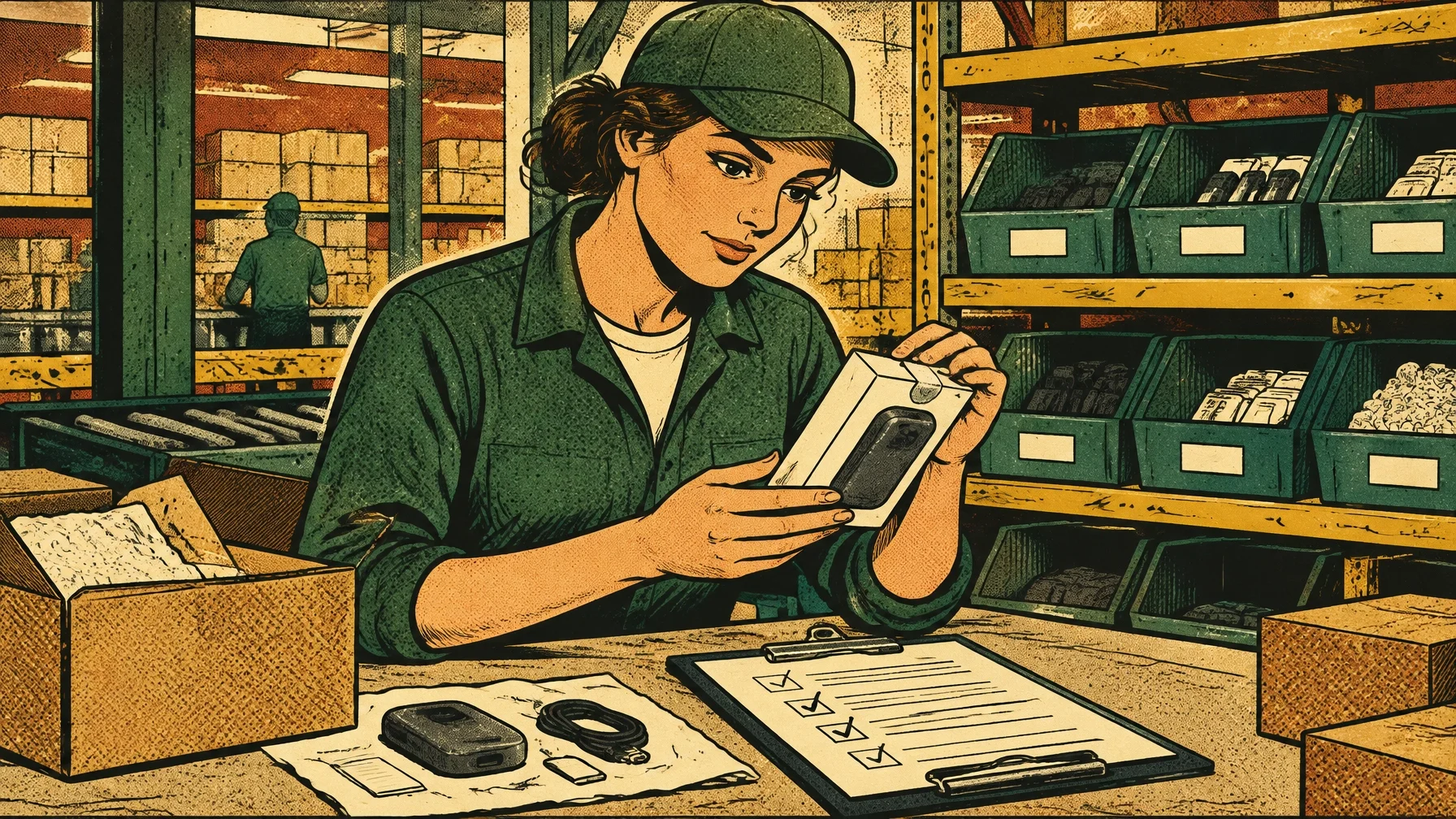
One careful check can prevent the same problem from shipping twice.
The review lands on your product, not the return process
A customer who receives a used, damaged, or incomplete item is likely to judge the product and the brand. A review may describe declining quality, even if the item left your warehouse in good condition.
If you cannot connect that order to an earlier return, the review may be difficult to investigate. You see the customer complaint, but not the inventory history that could explain it.
Inventory records drift from reality
If units return to sellable stock without a meaningful condition check, your inventory count can overstate what is genuinely ready to ship. That affects replenishment decisions, stock availability, and the accuracy of your operations data.
You may reorder products you already have, only to discover later that some of those units are not suitable for sale. Or you may make planning decisions based on inventory that does not match its actual condition.
Recoverable products can be written off
Some returned units are not ready for resale as they are, but they may be recoverable. A product might need cleaning, new packaging, a replacement component, or a kit rebuilt.
Without an evaluation, you may not know which returns can be restored, which should be sold as open-box, and which should be removed from inventory. A graded disposition can help you make that choice according to your own product and brand standards.
You miss the feedback that could prevent future returns
Return reasons can point to a recurring issue: packaging that does not protect the item, instructions customers find unclear, a component that fails, or a product listing that sets the wrong expectation.
If the returned unit and its condition are not recorded in a useful way, those signals can be easy to miss. Returns management should help you identify patterns, not just move boxes.
What a Careful 3PL Returns Process Looks Like
A returns process designed around your products starts with receiving the unit for evaluation, not putting it back into stock automatically.
Each product can be checked against a practical SKU-specific checklist. Depending on what you sell, that may cover:
Physical condition and signs of use
Completeness against the product’s parts list
Packaging condition and required seals
Hygiene or safety requirements
Whether the returned item matches the product that was shipped
After inspection, the unit is graded and routed according to your policy. It might be restocked as new, cleaned and repackaged for open-box sale, re-kitted with missing components, quarantined for defect review, or set aside for another disposition.
Photo documentation at receipt adds useful evidence about the condition of a return. Your team can review return reasons, condition outcomes, recovery rates, and recurring product or packaging issues. The exact reporting depends on the workflow you agree on with your fulfillment partner.
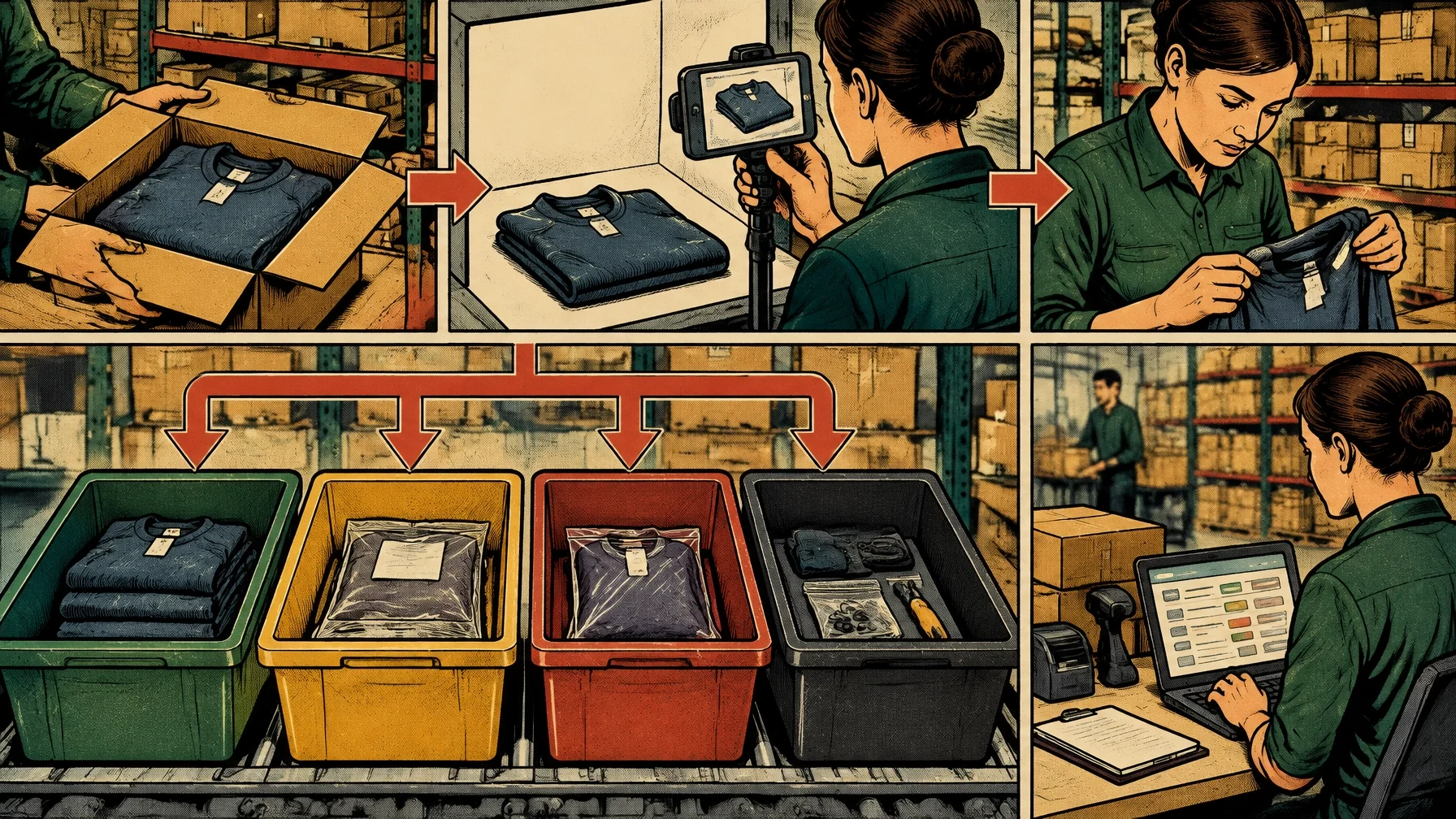
Every return has a next step, and a record of why.
That information creates a feedback loop. If a certain item repeatedly arrives damaged, you can examine its packaging. If components are often missing, you can review the product or the packing process. The goal is not simply to handle each return. It is to make the next order more reliable.
Run the Cost Math on the Whole Return
The cost of a mishandled return is not limited to a return-processing fee. It can include the next customer receiving a flawed product, the resulting support conversation, a replacement or refund, and the effect of a poor review.
Compare that exposure with the cost of inspecting a return more carefully. The answer will vary by product. A durable, inexpensive item may not need extensive handling. A fragile, high-value, multi-part, or branded product may justify more attention.
Consider:
Your average unit value
How fragile or complex the product is
How often returns involve damage or missing parts
Whether the product can be cleaned, repaired, re-kitted, or resold in another condition
The share of revenue that comes from Amazon versus your own store
How important product reviews and a consistent brand experience are to your business
The right approach is a brand-by-brand decision, not a blanket rule for every FBA seller.
Keep Returns on Amazon or Bring Them to a 3PL?
Amazon’s process may be a reasonable fit when:
Your unit value is low.
Your product is standardized and durable.
Amazon represents a small share of your sales.
Your defect and return rates are low.
A 3PL returns process may be worth considering when:
Your products are high-value, fragile, consumable, or made up of multiple components.
Your own store is your primary channel and you want returns handled to match your brand standards.
Missing parts, product swaps, or damaged packaging are meaningful risks.
You want return data to help you improve your products and packaging.
These channels do not have to be all-or-nothing. Your Amazon orders can remain in FBA while Amazon returns are routed for evaluation by a 3PL, where available and appropriate for your setup. Your direct-store returns can be handled alongside them. Confirm current eligibility, account settings, and routing options in Seller Central.
How Rogue Fulfillment Handles Returns
At Rogue Fulfillment, returns are received, inspected, and graded rather than restocked on sight. Photo documentation can help show the condition of a unit at receipt. When a unit is judged sellable under your agreed criteria, same-day inventory processing helps return it to stock promptly.
With 24/7 access to real-time data, you can see returns information as it is processed. A dedicated account manager gives you a direct contact who can understand your products and workflow, rather than leaving every question in a ticket queue.
Our kitting and repackaging services can help restore eligible units with missing components or damaged packaging. If packaging damage shows up repeatedly, our custom packaging design support can help you explore ways to protect the product better in transit. Rogue can also manage your customer service mailbox alongside fulfillment, so return questions can be answered by people with access to the order and return record.
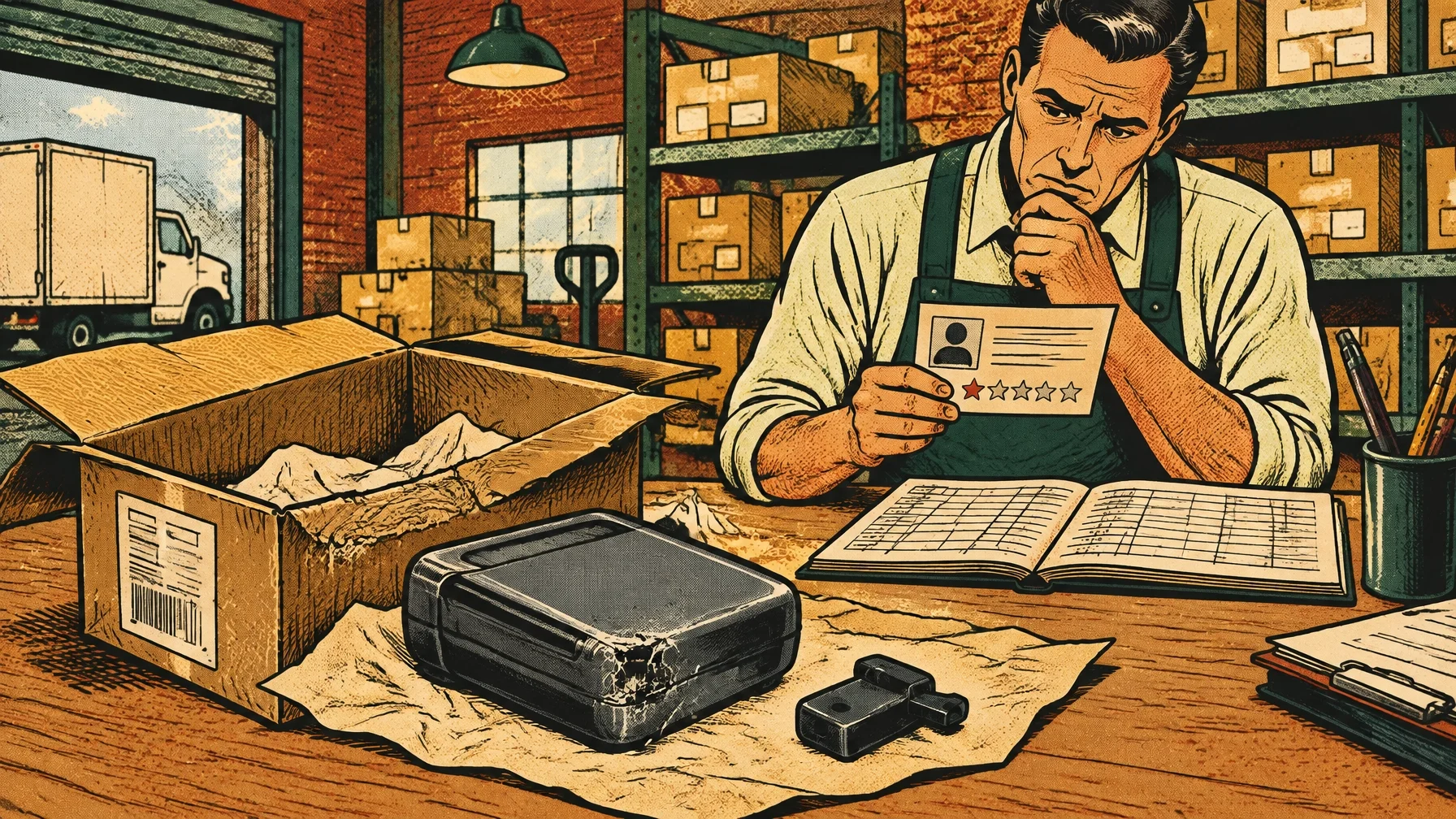
Better return records can help your brand make better next-step decisions.
Rogue Fulfillment states a 99.84% order accuracy rate and that 99% of orders ship within 24 hours. These are company-stated figures, not guarantees. Customers also receive free access to The Rogue Cooperative, a network for business growth and peer support.
Learn more about Rogue’s 3PL fulfillment services or read about customer service connected to eCommerce fulfillment.
A Practical Next Step
Amazon’s returns process is built to serve its scale and customer experience. A 3PL can provide a more product-specific inspection and a clearer view of what comes back. For some brands, Amazon’s process is sufficient. For others, the impact on inventory, reviews, and recoverable stock makes a closer evaluation worthwhile.
Start by reviewing your channel mix, unit value, current inspection depth, and the return problems you are seeing. Then consider what a returns process with real evaluation and useful data could change. A conversation with Rogue Fulfillment can help you map your current workflow and determine whether a different approach fits your brand.