
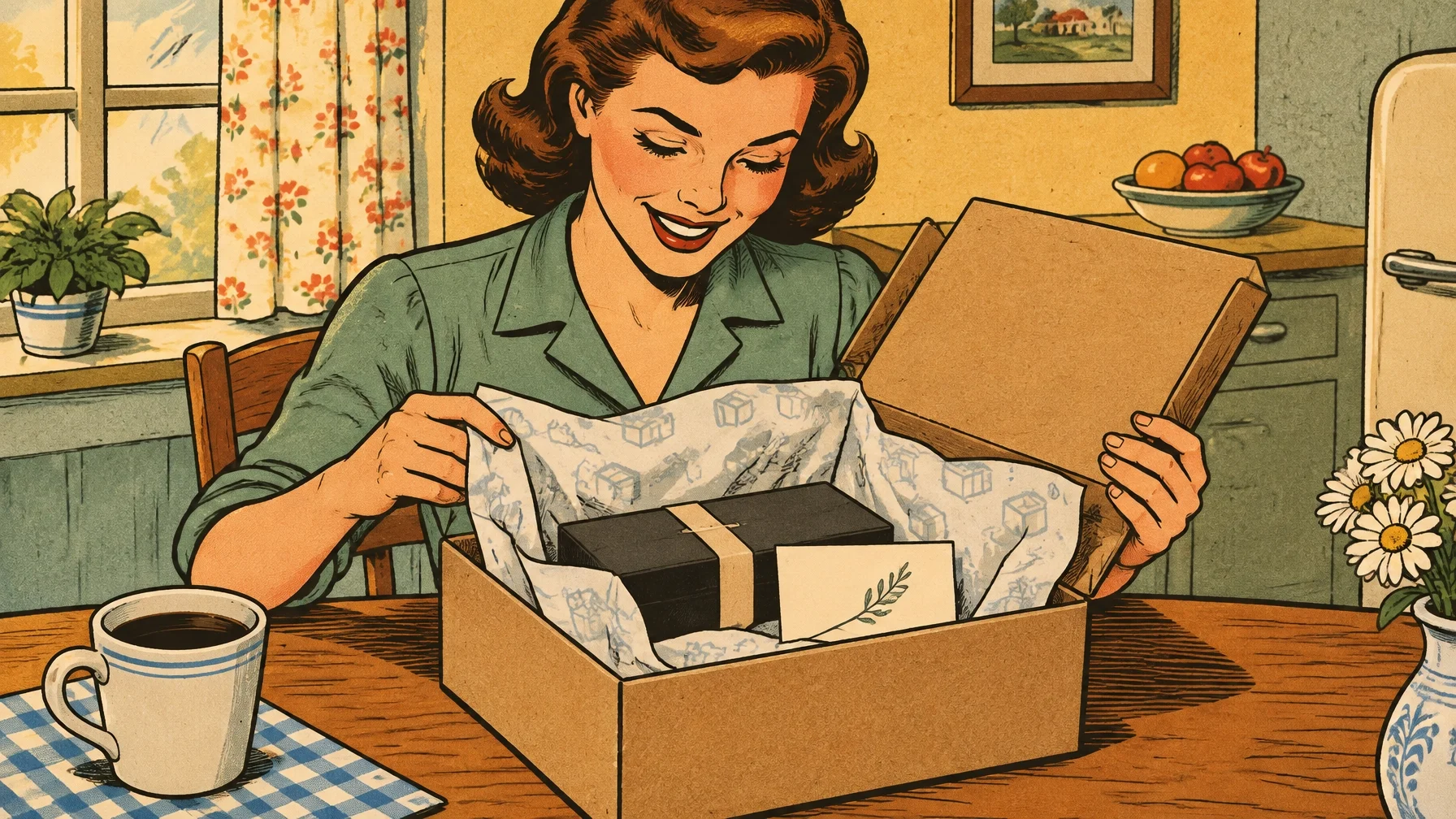
ONE GOOD OPENING. A BETTER FIRST IMPRESSION.
A first order lands on a doorstep. The customer opens it at the kitchen table, or turns on a camera to share the moment. In seconds, they decide: was this worth remembering?
Many brands try to win that moment with a bigger gesture. The brands that make it count choose a few thoughtful details and deliver them consistently.
That is the practical side of personalized unboxing experiences. They are not just a creative idea. At scale, they are a fulfillment process: your team needs to know what goes in each order, how it should look, and how to keep the materials available.
What makes an unboxing experience worth sharing?
A memorable package engages the senses: the feel of the paper, the weight of the box, or even a subtle scent that suits the product. It can also make a customer feel expected, rather than processed, and offer something visually interesting enough to photograph.
Recent packaging and consumer research points to the value of sensory details, sustainable materials, and right-sized packaging. Research also suggests shoppers care about packaging’s practical performance, including protection and ease of opening. The takeaway is not to add every possible flourish. It is to choose details that make sense for your product and customer.
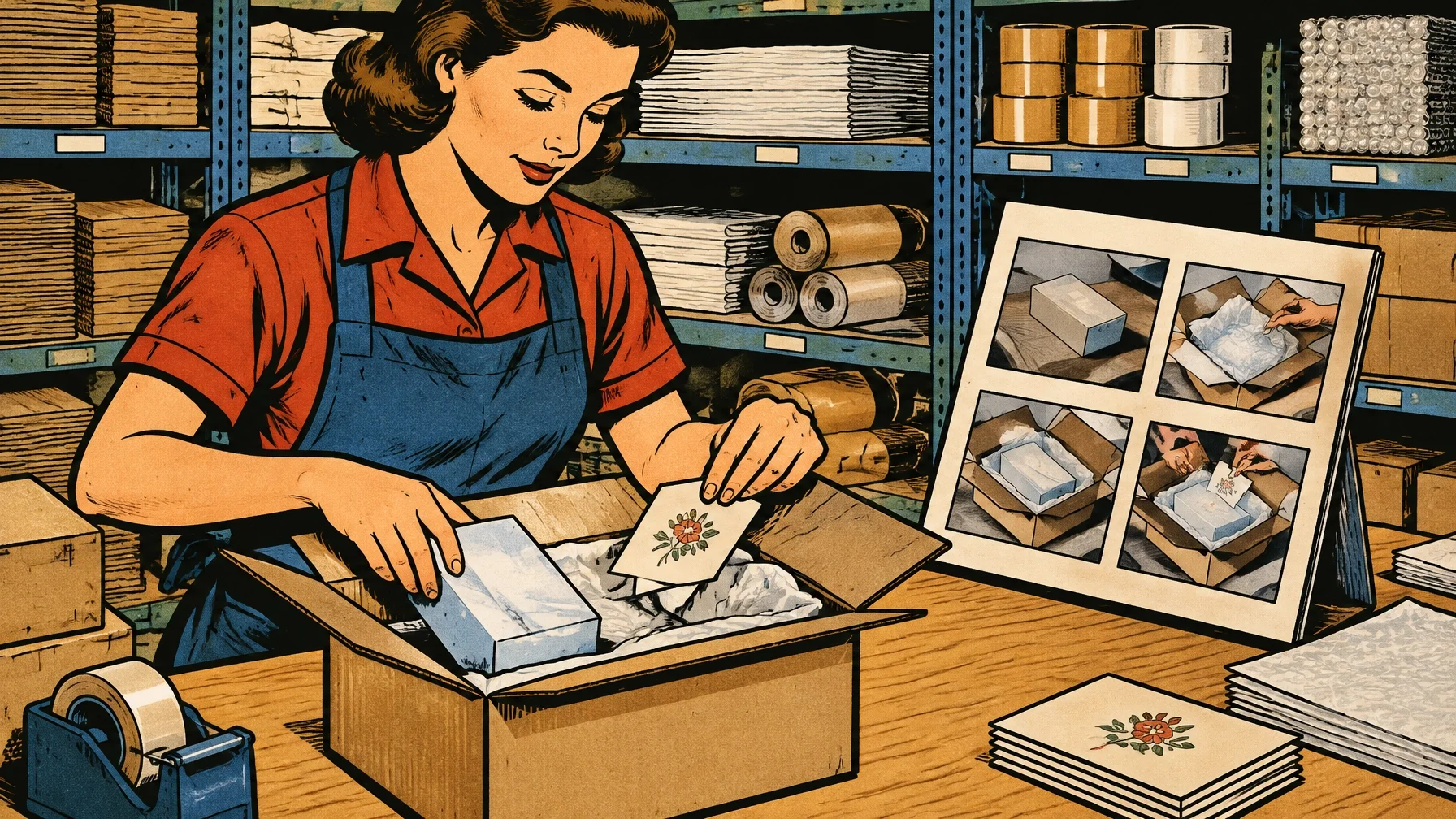
PACK IT WITH PURPOSE. MAKE IT EASY TO REPEAT.
60 personalized unboxing experience examples
Use this list for inspiration, not as a checklist to complete. Start with the ideas that suit your product, brand, and margins.
A. Packaging that opens well
A box that opens with one pull, not a fight.
A mailer with a branded tear strip.
Tissue that unwraps in one motion.
A box lid that needs no tape.
Your brand line printed inside the lid.
A thank-you printed inside the mailer flap.
A package that reveals the product, not void fill.
A box that presents the product face-up.
A printed pattern inside the box.
A box that doubles as storage or a return vessel.
B. Notes and cards that feel personal
The customer’s first name handwritten on the packing slip.
A short handwritten note from the person who packed the order.
A note naming the product and why it was made.
A card describing how the product works.
A note tied to the season or current campaign.
A printed next-order discount that feels specific, not generic.
A review request that is friendly and brief.
A founder’s note included in the first hundred orders.
The order number handwritten as a small receipt of care.
A note naming the city the order shipped from.
C. Product presentation
The product wrapped rather than dropped into the box.
A dust bag or sleeve in your brand colors.
A fitted insert that keeps the product in place.
A small tray or platform inside the box.
Tissue secured with one branded sticker seal.
A ribbon or band that holds the wrap closed.
The product placed label-up for an easy first look.
A compartment that separates pieces in a multi-part product.
A foam or molded insert shaped to the product.
A reusable pouch that keeps the product organized afterward.
D. Small gifts and inserts
A sample of another product.
A sticker or decal customers might put to use.
A spare part for a product that needs one.
A care card for a product that needs maintenance.
A seed packet or plantable card for a sustainability-forward brand.
A relevant mini guide or recipe card.
A useful branded item, such as a tote or keychain.
A small edible treat.
A discount code connected to the product purchased.
A thank-you card naming the charity or cause supported by the purchase.
E. Sustainability that reads as care, not cheapness
Recycled or recyclable packaging, described plainly on the box.
A note explaining how to recycle or reuse the packaging.
Right-sized packaging with no unnecessary void fill.
A compostable mailer with a clear explanation.
Paper tape instead of plastic tape.
Minimal printing with soy-based inks.
Packaging customers can reuse.
A note about how your brand is reducing packaging waste.
A box designed to be reused for returns.
A package sized to fit through a letterbox and avoid redelivery.
F. Personalization that scales
The customer’s first name printed on the packing slip or label.
An order-specific insert selected based on the items purchased.
A gift note field honored with real handwriting.
Box sizes matched to product families to avoid excess void fill.
A tissue color associated with a product line.
A sticker or seal that changes with the campaign.
A QR code linking to a how-to video for that product.
A packing slip listing item names, not SKU codes.
An insert selected by the warehouse using the order profile.
A note showing the date the order was packed.
Why unboxing ideas fail at volume without a process
Some gestures are easy to manage for a small number of orders and hard to sustain as volume rises. A handwritten note may work for fifty orders, then becomes a bottleneck at five thousand. An insert can run out mid-campaign if nobody is tracking its stock.
Other details depend on clear instructions. If there is no written packing guide, each shift may assemble the same box differently. A sample might eat into margin and arrive crushed because its placement was never documented. And a personalization detail can quietly disappear during peak season because nobody added it to the packing process.
The difference between an unboxing moment customers remember and one they forget is often simple: can the warehouse reproduce it on order five thousand?
How to choose which unboxing elements to keep
Before adding an extra to every parcel, run it through five questions:
Does it fit your product and brand? A useful product-care card may suit your brand better than a novelty gift.
Will it survive shipping? Test the package as a complete parcel, not just as a design on a screen.
Can you document it clearly? Someone else should be able to follow the packing instruction without asking the founder.
Can your margin absorb it? Include material, handling, storage, and replenishment in your decision.
Would a customer photograph it? If it is meant to be memorable, consider whether it looks and feels distinctive when opened.
Start with two or three elements. Get them right and keep them consistent before adding more. Consistency beats intensity when you want a thoughtful experience to support repeat buying.
What a 3PL does to make personalization repeatable
A 3PL for eCommerce brands can help turn packaging ideas into routine warehouse steps. The important part is not simply having someone add an insert. It is building a process that stays clear as your products, orders, and campaigns change.
That can include:
Written, version-controlled packing instructions for each SKU. When packaging changes, the team can see which instruction is current.
Photo references for the finished parcel. A visual guide helps each shift pack the order the same way.
Packaging and insert inventory management. Counts and reorder points help prevent a card, sample, or mailer from running out unexpectedly.
Kitting and gift wrapping as standard value-added services. Combining items or preparing a gift-ready order becomes part of the operating plan.
Campaign support. A limited-time insert or package detail can be planned in advance, rather than improvised during a rush.
Same-day inventory processing. Newly received products, packaging, and inserts can be checked in and made usable quickly.
24/7 access to real-time data. You can see what is in stock and what is being packed.
A dedicated account manager. You have a person to work with, rather than relying on a ticket queue.
A fulfillment partner can also support multi-carrier rate shopping and sustainable practices. Rogue Fulfillment offers free access to The Rogue Cooperative, a network for business growth and peer support.
Rogue reports a 99.84% order accuracy rate and that 99% of orders ship within 24 hours.

MAKE THE GOOD DETAILS PART OF THE ROUTINE.
Fulfillment can also connect to customer service. Rogue can manage a brand’s customer service mailbox alongside its orders, so questions about a damaged insert or missing gift note can be answered by people who can see the order. Learn more about Rogue’s 3PL fulfillment services or kitting and assembly.
Make the moment repeatable
You do not need to put all sixty ideas in every box. Choose a few details that suit your product, make sure they survive shipping, and document them so your team can repeat them at your real order volume.
If you are weighing what to keep, start with a short conversation about your current unboxing elements: which ones are documented, which are improvised, and what a reliable version would look like as your brand grows. Talk with Rogue Fulfillment about making your packaging experience repeatable.
You can also read about right-sized packaging for eCommerce and why growing brands choose a boutique 3PL.
Research notes
Recent packaging research includes RRD’s 2026 Sustainable Packaging Consumer Report. A study in Scientific Reports explored how multisensory packaging affects perception and response.