
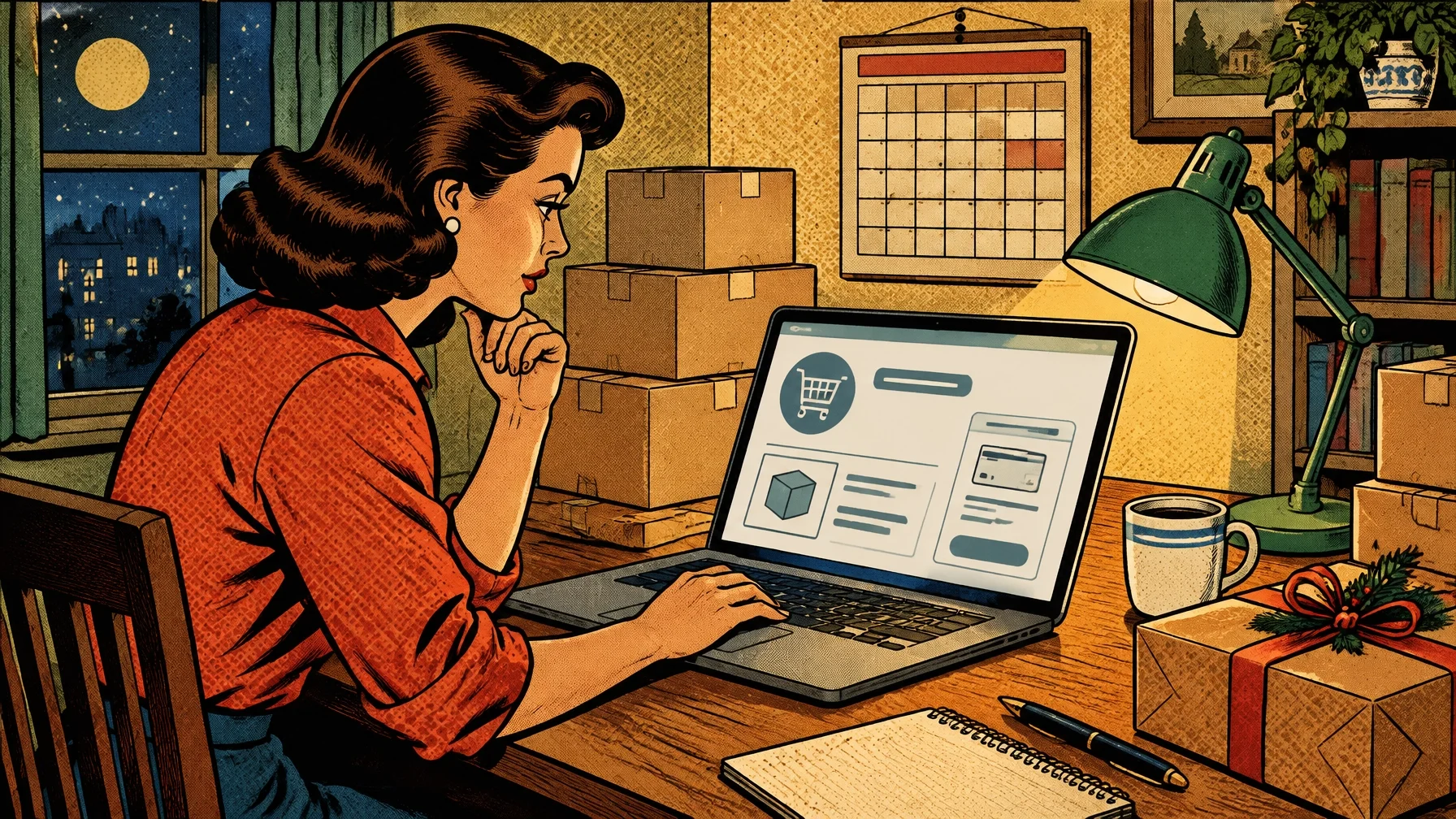
The checkout promise may stay simple. The cost behind it deserves a closer look.
Your brand has offered free shipping since launch. Customers are used to it, your ads mention it, and changing it feels like breaking a promise. Then the peak-season surcharge table arrives, alongside higher fuel, labor, and packaging costs. Is the policy still affordable, or has it simply become a habit?
Free shipping did not die. The version nobody prices is what’s dying.
For a growing eCommerce brand, free shipping is a margin decision, not a rule you have to keep because you have always kept it. The right answer depends on your orders, products, costs, and customers.
Why Free Shipping Became the Default
Large online retailers helped set the expectation that shipping should be included, quick, and easy to understand. Shoppers also like seeing a price at checkout that matches the price they expected to pay. An unexpected shipping charge can feel like a late addition, even when the cost is reasonable.
Consumer surveys have repeatedly found that unexpected shipping costs are a leading reason shoppers abandon carts. Recent surveys continue to show that free shipping influences online purchase decisions, even as expectations around delivery speed and convenience also change. The 2026 Ryder e-commerce consumer study reflects that balance: free shipping remains influential, while unanticipated fees remain a reason people leave checkout.
Free-shipping thresholds became popular for another reason: they can encourage customers to add items to their carts. When the minimum is well chosen, the extra product revenue may help cover the delivery cost.
Those forces are real and still operating. This is not a declaration that free shipping is over. It is a reminder to check whether your version of it still works.
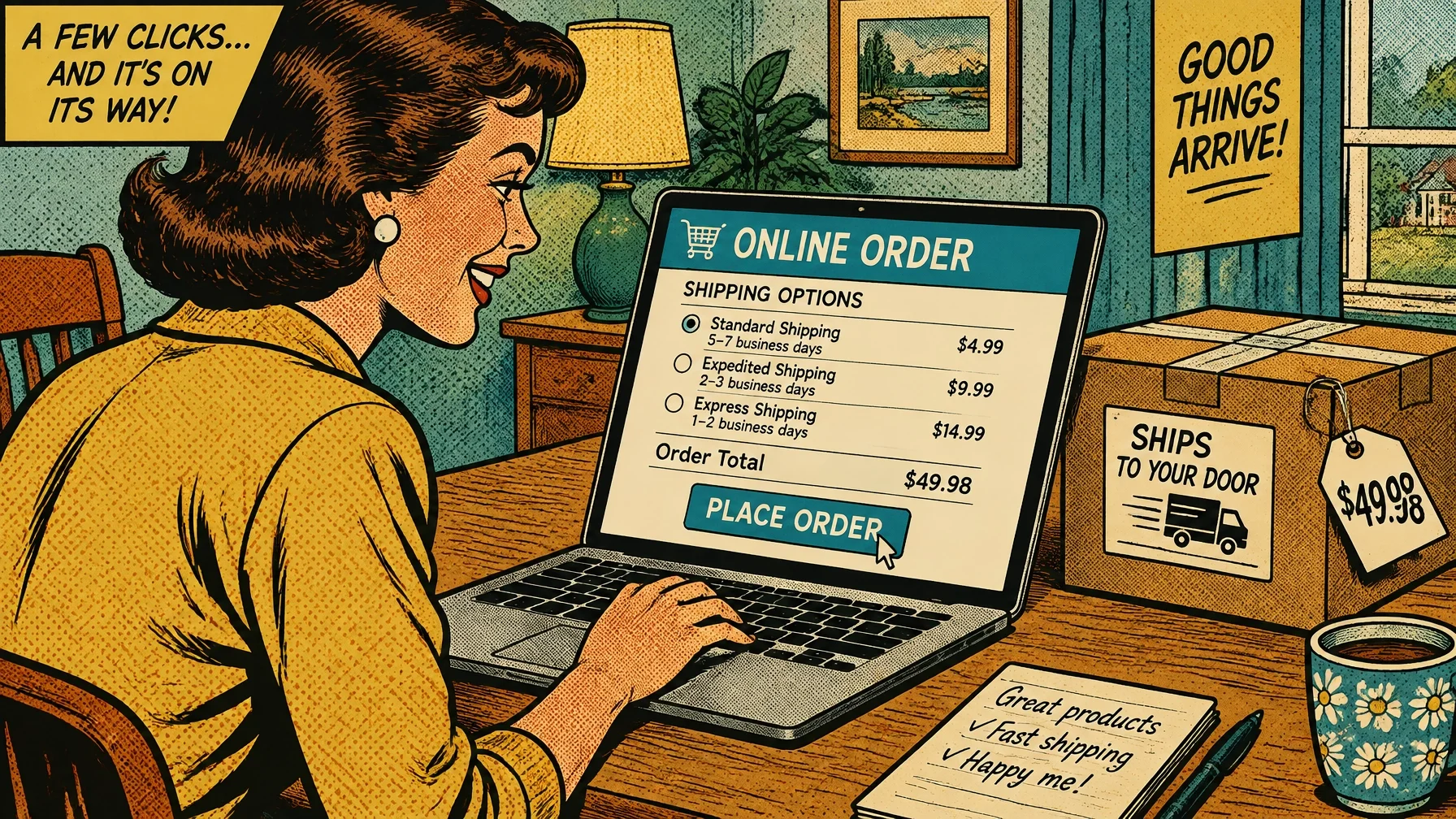
Clarity at checkout can matters as much as the shipping price.
What Changed in 2026?
Peak-season surcharges, fuel, labor, and packaging costs all affect what it takes to get an order out the door. Industry reporting this season has described small retailers publicly reconsidering free shipping or restricting offers as operating and carrier costs climb. That does not mean every brand needs to remove its offer. It does mean last year’s calculations may no longer be useful.
Look closely at the costs that shape each order:
Peak surcharges: Seasonal charges can affect different services and package types, and may begin before the busiest shipping weeks.
Fuel: Carrier fuel costs can influence parcel rates and other transportation expenses.
Warehouse labor: Picking, packing, and preparing an order for shipment take time, especially during busy periods.
Packaging materials: Boxes, mailers, void fill, and branded packaging all contribute to the cost of an order.
Dimensional weight: Carriers may price a large, light parcel according to its dimensions rather than its actual weight.
Product and order mix: A small order of lightweight products does not cost the same to pack and ship as a multi-item or bulky order.
Together, these pressures can squeeze margins. Free shipping may still make sense for some brands and products. For others, the unconditional version may be harder to support.
How to Decide Whether Free Shipping Still Works
Treat the decision as a calculation, not a feeling. Start with your actual order data and look beyond one blended average.
1. Calculate the true shipping cost per order
Include the carrier charge and any applicable surcharges. Add packaging materials and the labor required to prepare the order. Use recent costs, and account for peak-season conditions rather than relying only on an old average.
2. Separate costs by product family and order size
A single average can hide expensive orders. Group orders by product type, package size, and number of items. This helps you see whether a particular product family or order combination is disproportionately costly to ship.
3. Compare shipping cost with contribution margin
Contribution margin is what remains from an order after the direct costs of selling and fulfilling it are accounted for. Compare your shipping and fulfillment costs with that remaining amount. Ask how much of it your free-shipping promise uses, and whether the order still contributes enough to support the business.
4. Choose a model that fits your numbers
Free shipping on everything: Simple for customers and easy to communicate. The brand absorbs shipping costs on every qualifying order, so this needs enough margin across the full product mix.
Free shipping above a threshold: Gives customers a clear goal and can increase order size. The threshold still needs to leave enough margin after shipping, and customers may not respond if it feels out of reach.
Free shipping on selected products or services: Keeps the offer on items with enough margin or manageable shipping costs. The tradeoff is that customers may need a clear explanation of why some products qualify and others do not.
No free shipping, with clear flat rates: Makes the shipping charge visible and more predictable. The brand collects some of the cost from the customer, but the fee can affect conversion if it feels unexpected or poorly explained.
None of these models is automatically right. The useful question is which one gives your customer a clear choice without asking your margin to cover more than it can.

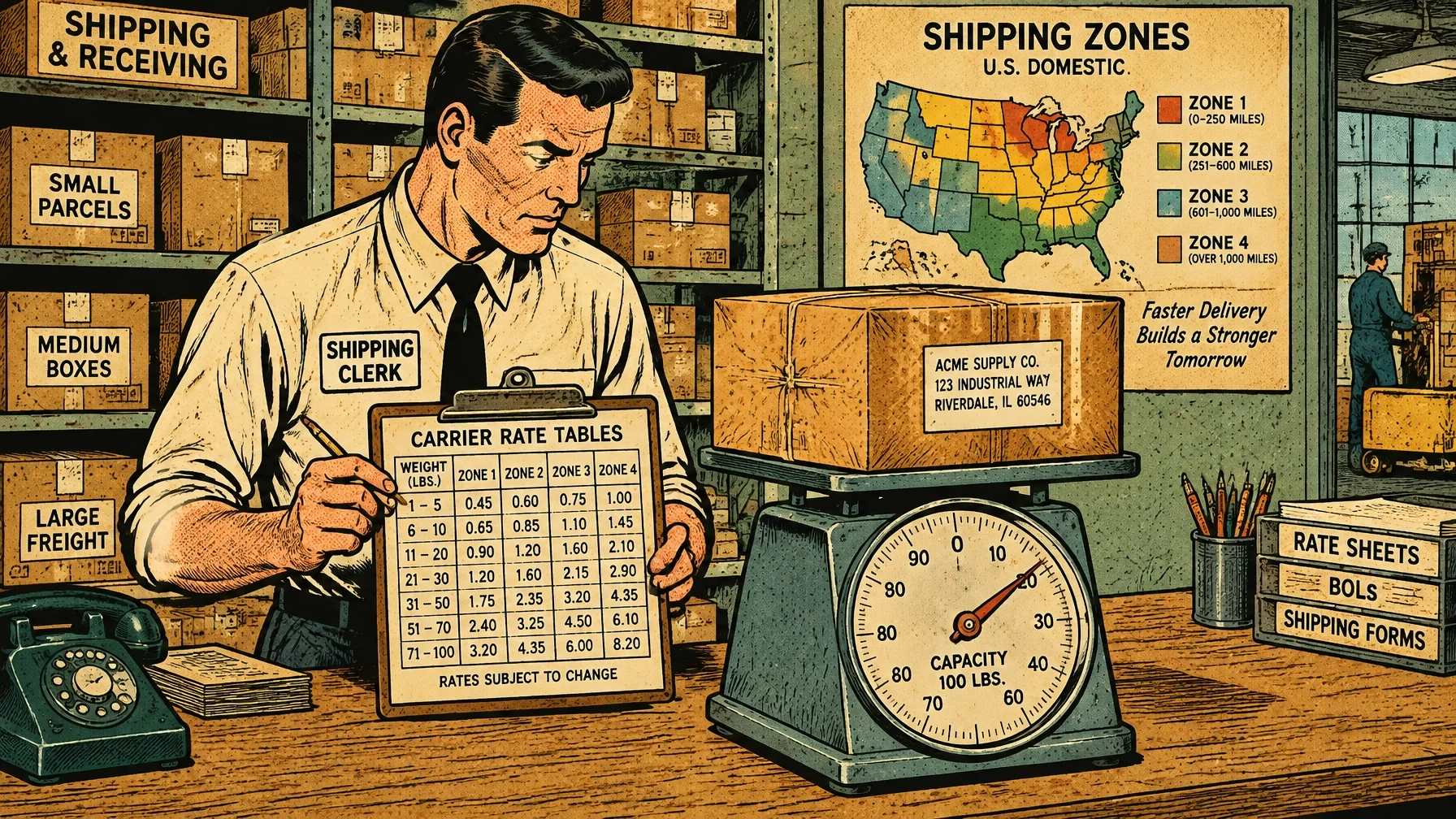
Measure the parcel before deciding what the shipping promise can support.
Alternatives to Blanket Free Shipping
You can change the shape of a shipping offer without removing every free option.
Set a threshold above average order value: A threshold can encourage a larger basket, but test the distance between typical spending and the minimum. If the gap is too large, customers may not try to reach it.
Apply free shipping only to standard service: Keep an economical free option while charging for faster delivery. Make the delivery window clear so customers understand what the free service includes.
Offer it on high-margin products: Product-level free shipping can work when the item has enough margin to help cover delivery. Check the economics of common bundles and multi-item orders, too.
Use membership or loyalty benefits: Free shipping can reward repeat customers or members. Account for the cost of the benefit and whether it supports repeat purchasing.
Include the cost in the product price: Some brands raise product prices slightly and show shipping as included. Other brands raise prices and still show shipping as a line item. The psychology of that trade is worth testing rather than assuming customers will prefer one approach.
Charge a clear flat rate: A straightforward rate can be easier to understand than a price that appears only at the final step. Check that it reflects the range of orders it will cover.
A shipping charge is not automatically a conversion problem. An unexplained or surprising charge is harder to defend. Make the cost and delivery timing visible early, then measure what shoppers actually do.
How to Change Your Policy Without Angering Customers
If you need to adjust your offer, the way you explain it matters. Give customers notice before the change takes effect, and state plainly what is changing and when.
Where possible, restrict the offer before revoking it. You might keep free shipping above a threshold, on selected products, or for standard service. Explain the reason without blaming a carrier or making customers responsible for your costs.
Then check that the update appears everywhere at once:
Your website and checkout
Paid and organic ads
Email campaigns and automated flows
Promotions, banners, and shipping policy pages
If you can, test the change on a subset of traffic before rolling it out broadly. Monitor conversion, average order value, margin per order, and shipping-related customer questions. A policy that looks good in a spreadsheet still needs to work for customers in practice.
The Fulfillment Operation Can Change the Cost
Shipping cost is not fixed. It responds to packaging size, dimensional weight, carrier mix, service selection, ship-from location, and the types of orders your customers place.
That gives you another lever. A brand that reviews its fulfillment economics may find it can afford a promise that did not work before, because the cost side moved. Right-sized packaging can reduce unnecessary volume. Comparing carriers may reveal a better option for particular orders. A different service mix may protect cost while still meeting the delivery window customers were promised.
Rogue Fulfillment uses multi-carrier rate shopping behind the scenes, comparing available options for shipments so the checkout promise can stay simple while the cost of honoring it remains in view. Reviewing packaging size and shipping costs can also help uncover savings without asking customers to absorb every increase.
Good fulfillment decisions connect the customer promise to the work behind it.
How Rogue Fulfillment Supports the Shipping Promise
A useful fulfillment partner helps you see what the promise costs and what happens after an order is placed. Rogue Fulfillment is a boutique 3PL in St. Paul, Minnesota, with personal account support and flexible eCommerce fulfillment for growing brands.
Rogue offers same-day inventory processing and 24/7 access to real-time data, along with a dedicated account manager rather than a ticket queue. Value-added services are part of the standard approach, including kitting, custom packaging design, gift wrapping, and campaign support. Rogue also practices sustainable fulfillment and provides free access to The Rogue Cooperative, a network for business growth and peer support.
Rogue’s company-stated figures include a 99.84% order accuracy rate and 99% of orders shipped within 24 hours. These are company-stated figures, not guarantees. Rogue can also manage a brand’s customer service mailbox alongside fulfillment, so people responding to shipping questions can see the order details.
Bottom Line: Price the Promise, Then Test It
Free shipping is still part of how many shoppers evaluate an online purchase. But that does not mean every growing brand has to offer it on every order, regardless of cost.
Calculate your real cost per order, segment it by product family and order size, and compare it with contribution margin. Then choose a model that is clear for customers and sustainable for your operation. If you change the policy, communicate early and test the effect.
A short conversation about your current shipping cost per order, your checkout promises, and what free shipping would need to look like to survive this peak season can help make the next decision more concrete. Talk with Rogue Fulfillment about the options.